

Transplant and High-Risk Skin Cancer Clinic

Advanced Care for High-Risk and Transplant-Associated Skin Cancers

Our high-risk skin cancer program is designed for patients whose skin cancers require more than routine treatment. We provide specialized evaluation, precision intervention, and long-term surveillance for aggressive, recurrent, and transplant-associated skin cancers.

About Tampa Bay's specialized skin cancer clinic

Focused Care for Patients at Elevated Skin Cancer Risk

The Tampa Bay High-Risk Skin Cancer Clinic is built for patients facing aggressive, recurrent, or transplant-associated skin cancers that require close monitoring and a more strategic treatment model. This program is designed for individuals whose disease behavior may be accelerated by immunosuppression, prior high-risk pathology, multiple tumors, or a history of recurrence.

Rather than treating lesions in isolation, this clinic takes a broader and more proactive approach. Each patient’s care plan is shaped by tumor biology, immune status, treatment history, and future risk. The goal is not only to remove current cancers, but to reduce recurrence, improve early detection, and create a long-term management strategy that supports better outcomes over time.

Area locations for Treatment

  • Clearwater
  • Palm Harbor
  • Palmer Ranch
  • SOHO Tampa
  • Westchase

About our high-risk skin cancer program

Advanced, Longitudinal Management for Complex Cutaneous Oncology

This program is designed to deliver medically advanced care for patients whose skin cancer risk extends beyond a single visit or isolated procedure. Through risk stratification, precise treatment planning, prevention strategies, and structured surveillance, the clinic supports a long-term, data-driven model of care for high-risk patients.

What to expect

A Higher Level of Skin Cancer Care for High-Risk Patients

Patients in this clinic benefit from a specialized care model centered on complex skin cancer behavior, immunosuppression-related risk, and ongoing prevention. The emphasis is on coordinated, informed, and proactive treatment rather than episodic intervention alone.

Specialized Expertise

Care is led by a fellowship-trained Mohs surgeon with transplant dermatology experience and advanced focus in high-risk cutaneous oncology.

Multidisciplinary Coordination

When needed, care is coordinated across dermatology, medical oncology, surgical oncology, radiation oncology and transplant teams to ensure a more complete treatment and surveillance plan.

Data-Driven Surveillance

Clinical decisions are shaped by risk factors such as tumor pathology, recurrence history, immune status, and evolving evidence-based prevention protocols.

Longitudinal Care Model

This program is structured for ongoing management, with follow-up protocols designed to detect new lesions early and reduce future disease burden.


PROGRAM OVERVIEW

Who Benefits Most from This Clinic

This program is intended for patients whose skin cancer risk, recurrence pattern, or immune status requires more specialized oversight.

1. Initial Consultation

Begin with a structured physician consultation focused on goals, history, and planning.

2. Start Treatment

Move into a guided treatment plan which may include prescription support and counseling.

3. Monitor Progress

Return for follow-ups that help maintain accountability and optimize the plan over time.

Our Approach

Four Core Elements of High-Risk Skin Cancer Management
1. Risk Stratification

Individualized assessment based on tumor biology, immune status, pathology, and prior clinical history to define current risk and guide treatment planning.

2. Precision Treatment

Mohs surgery for high-risk tumors, field therapy, adjunctive treatment planning, and integration of emerging therapies when clinically appropriate.

3. Prevention and Suppression

Chemoprevention strategies, field cancerization management, UV counseling, and behavioral modification tailored to long-term disease control.

4. Long-Term Surveillance

Structured follow-up schedules, early detection protocols, and recurrence prevention strategies designed for ongoing risk reduction.

Conditions We Treat

Conditions Commonly Managed in This Program
High-risk squamous cell carcinoma

Recurrent or aggressive basal cell carcinoma

Field cancerization

Skin cancer in transplant recipients

Rapidly evolving or multiple tumors

These conditions often require more than standard treatment alone. Our clinic evaluates both the immediate lesion and the broader clinical pattern to create a more durable management strategy.

DOUBLE BOARD CERTIFIED MOHS SURGEON

Meet Dr. Ross

Leadership in High-Risk Skin Cancer and Transplant Dermatology

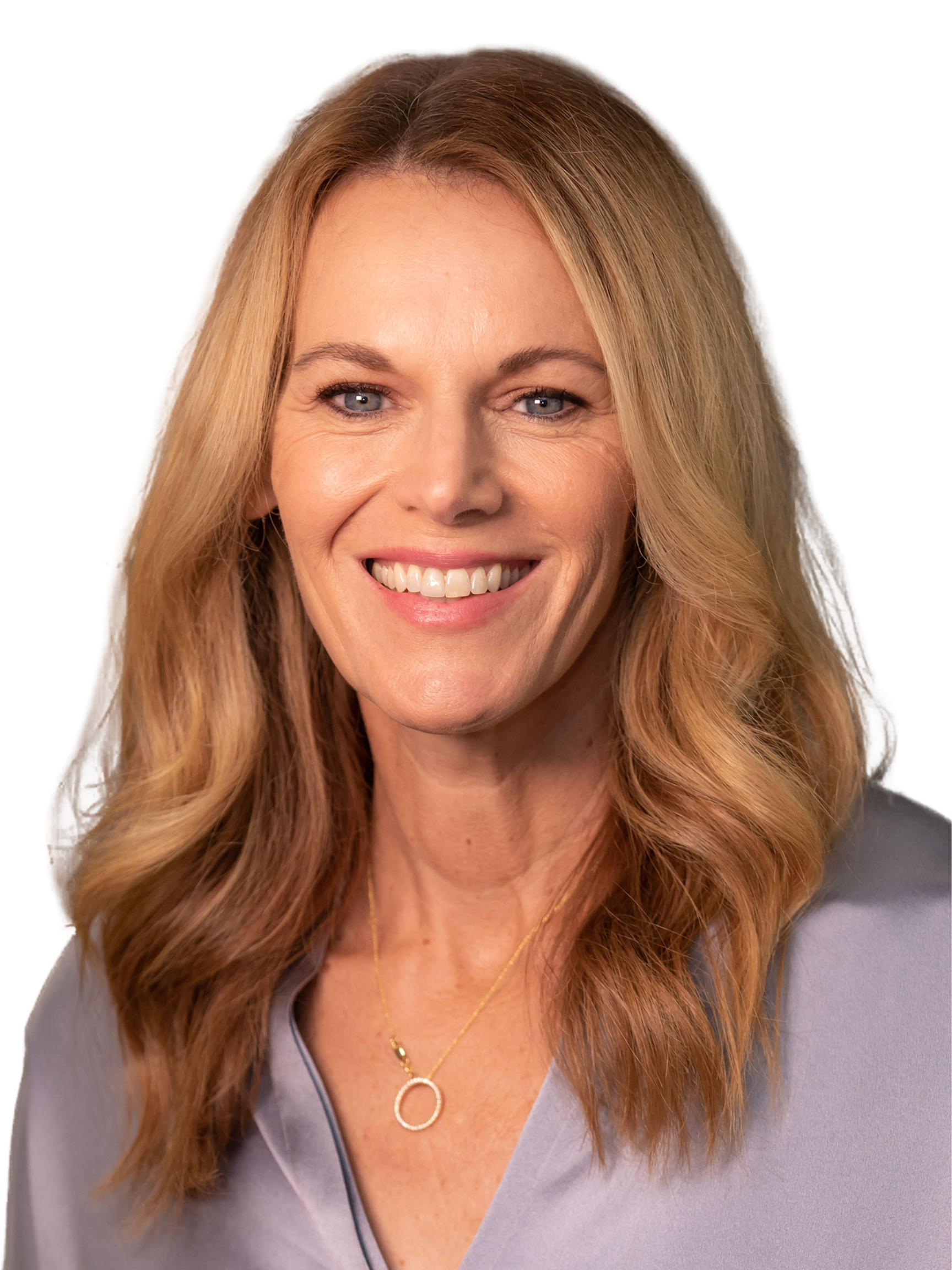
Amy. S. Ross, MD is a fellowship-trained Mohs surgeon and double board certified in Dermatology and Micrographic Dermatologic Surgery. Her clinical approach centers on the management of aggressive and complex skin cancers, particularly in immunosuppressed patients, where disease behavior is often accelerated and outcomes depend on early, precise intervention.

Trained at Vanderbilt University Medical Center in a multidisciplinary environment that included a dedicated transplant dermatology clinic, Dr. Ross brings an integrated, team-based approach to patient care. She collaborates across specialties when needed and applies advanced surgical, diagnostic, and surveillance strategies tailored to each patient’s individual risk profile.

As a member of the International Immunosuppression & Transplant Skin Cancer Collaborative, Dr. Ross remains closely aligned with evolving research and emerging treatment paradigms. She emphasizes data-driven decision-making, using risk stratification tools, longitudinal surveillance, and preventative strategies to reduce recurrence and improve long-term outcomes.

Her program is designed to provide comprehensive, high-touch care for patients with advanced, recurrent, or high-risk skin cancers, delivering not only treatment, but a long-term strategy for lifelong skin cancer management.

Board Certified, Fellowship Trained Mohs Surgeon

Meet Dr. Aickara

Mohs Micrographic Surgery and Cosmetic Dermatologic Surgery

Dr. Divya Aickara is a fellowship-trained Mohs surgeon and double board certified in Dermatology and Micrographic Dermatologic Surgery with a clinical focus on the management of high-risk and complex skin cancers. She completed her dermatology residency at the Jackson Memorial Hospital and University of Miami and fellowship training in Mohs Micrographic Surgery with the Skin Cancer Institute and Hollywood Dermatology in Fort Lauderdale, FL. 

Dr. Aickara has experience caring for patients with aggressive cutaneous malignancies, including immunosuppressed and high-risk populations, using a collaborative and patient-centered approach to treatment. Her practice emphasizing a multidisciplinary approach, individualized care, and long-term surveillance strategies aimed at optimizing outcomes and preserving quality of life.

She is committed to providing compassionate, evidence-based care while helping patients navigate the complexities of skin cancer treatment and prevention.

For physicians

A Trusted Referral Pathway for High-Risk Skin Cancer Patients

We provide rapid access for high-risk patients and work collaboratively with referring physicians on ongoing care. The clinic is structured to support urgent evaluation, clear communication, and coordinated management for complex cases.

Referral Highlights

Priority scheduling for urgent or concerning lesions

Clear communication and follow-up planning

Co-management with transplant and oncology teams when appropriate

Schedule Your Consultation

Early intervention changes outcomes. Schedule a consultation today.

Request an evaluation at our Clearwater, Palm Harbor, Palmer Ranch, SOHO, or Westchase locations for advanced, recurrent, or transplant-associated skin cancer care with a specialized long-term management approach.

Request a Consultation

Request a consultation with Dr. Ross.  If patient meets initial qualifications, we will contact you to finalize any additional details. 

Patients are eligible to participate in HRSCC if they fall into the following groups: